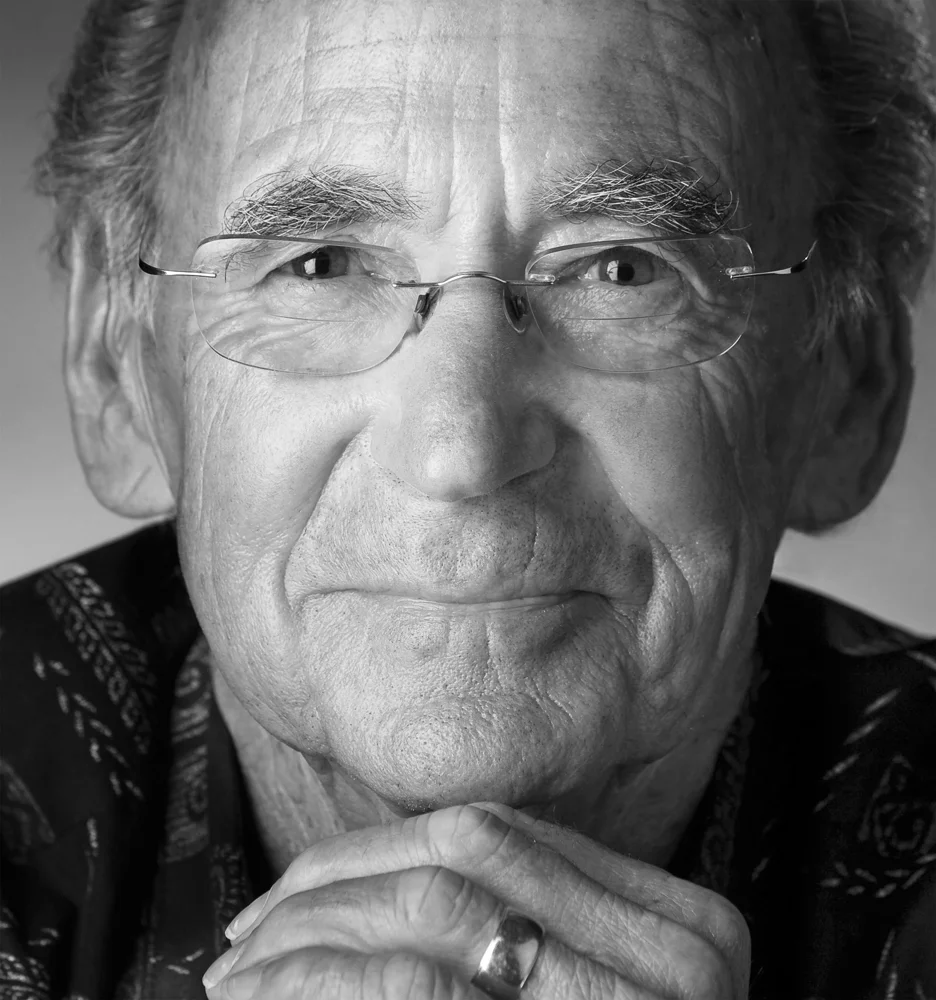
I graduated from Brooks Institute in 1972 and became a faculty member in 1976. As a student, I attended Brooks from 1970 through 1972. In January 1976, Vern Miller, then head of the Industrial Scientific Department, hired me as a faculty member, and in August 1978, the faculty honored me with a position on the Brooks Institute Management Team as the Vice President of Education.
Although Brooks Institute was already internationally recognized, and held a substantial influence on the industry, Ernie often referred to the school as our "family." I didn’t realize at the time just how much, and in so many ways, this held true — family is exactly the way it was. Over the years, the faculty and staff developed strong and enduring relationships with one another, and with the students, high school teachers, community colleges, alumni, and industry manufacturers and leaders throughout the world. In addition to a great scholastic program, these relationships became one of the school’s most important and valuable assets. Even after these many years, I personally still feel as if no time at all has passed — the relationships are still there.
20 years is a long time to be doing anything — and my time at Brooks was certainly filled with extraordinary opportunities and events. I will forever be grateful to Brooks Institute, and in particular, to Ernie, for providing me and my wife, Ruth, so many opportunities to participate in the advancement of the school’s programs, many of which turned out to be "experiences of a lifetime.”
Perhaps most impactful to those at Brooks in the late ‘80s and on, the Institute reached a new level when Paul Liebhardt, then faculty member at Brooks, came to me with a strong recommendation for the school to become more deeply involved with the University of Pittsburgh's Semester at Sea program. After teaching for a semester while traveling around the world and experiencing countless different cultures, Paul theorized that our faculty members would grow profoundly on a personal level, and would relate better and far more broadly with our students. Given that our student body at the time composed of a 25 percent international contingent, how could we possibly lose?
Little did we know the profound impact of this program, and how it affected the lives of all those who participated — we were forever changed; our minds enriched, and hearts opened. Returning to the U.S. from a 100-day journey around the world, having been immersed in a multitude of different cultures in ways you cannot fathom beforehand, alters your perspective on life, and opens you up to a level of appreciation far beyond the norm for our society. Learning that you already have what you need, is perhaps one of life’s most valuable lessons. It has been for me.